Browse
Home Types
Homebuilders
Locations



Browse
.png)
Home Types
Homebuilders





Locations

We’ve received your message and one of our team members will get back to you shortly.

We’ve received your message and one of our team members will get back to you shortly.
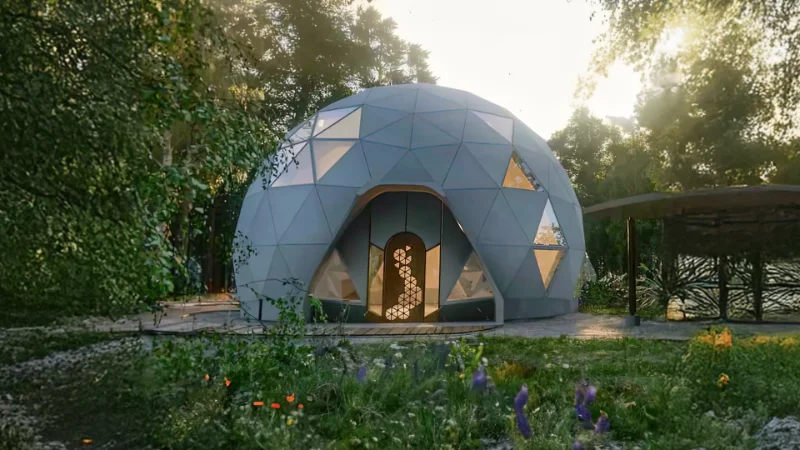
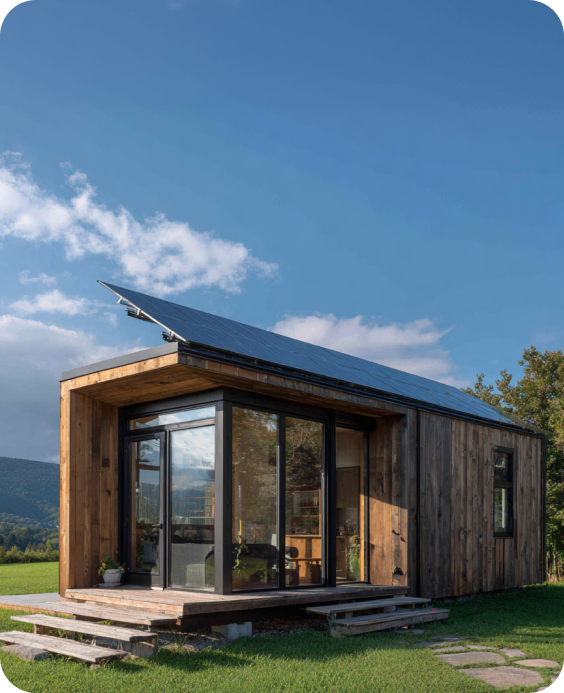
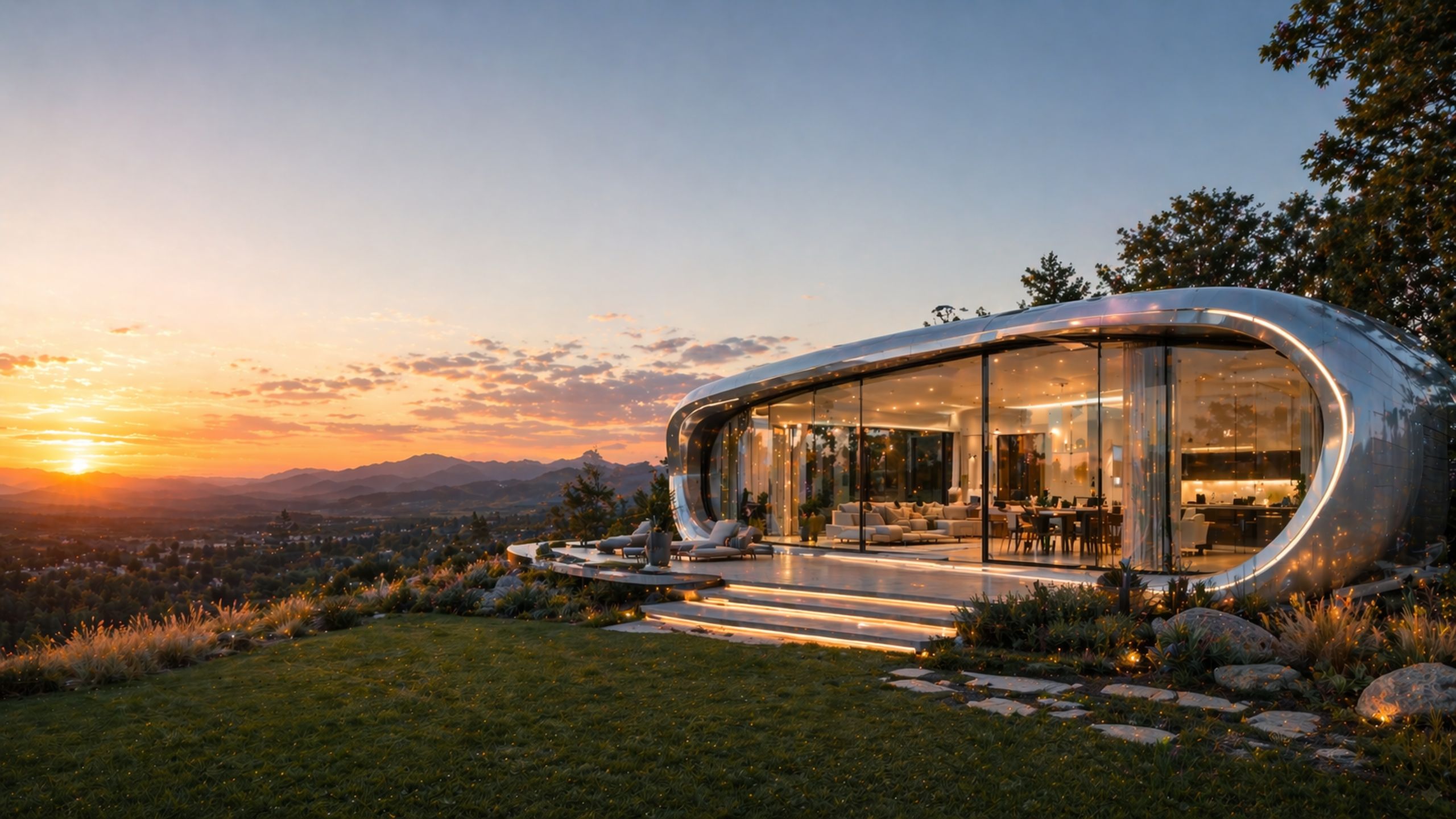
Discover innovative home designs pushing the boundaries of prefab living. Some are first-production models available now; others offer a first look at what's coming next.


We’ve received your message and one of our team members will get back to you shortly.
We’ve received your message and one of our team members will get back to you shortly.
We’ve received your message and one of our team members will get back to you shortly.
Concept homes are innovative residential designs that push the boundaries of prefab and modular construction. Some are early-production models available in limited quantities; others are still in development and offered through interest lists and pre-orders. Concept homes often incorporate novel materials, new construction methods, unusual form factors, or emerging sustainability technologies that aren't yet common in mainstream prefab.
Concept homes appeal to buyers who want to be early adopters — those excited by architectural innovation, sustainability experimentation, or simply owning something few others have. They're also well-suited for clients with flexible timelines (many are pre-order only), higher risk tolerance (new designs mean fewer long-term performance data points), and an interest in supporting emerging builders and designers.
Concept homes vary enormously in price, from under $75,000 for experimental compact designs to over $500,000 for high-design architect-led projects. Because many are low-volume or first-production, pricing often carries an innovation premium compared to mainstream equivalents. Early-access buyers sometimes benefit from reduced rates in exchange for flexibility on delivery timing.
Start by browsing available concept designs and identifying which innovations matter most to you — materials, footprint, off-grid capability, or architectural style. Filter by available manufacturers and reach out about interest lists. Compare concept models against mainstream alternatives to understand the premium you're paying for innovation. If you can, visit a finished unit or tour the builder's facility before committing.